
When comparing a swim spa vs pool vs hot tub, most people are not just choosing a product.
They are choosing a long-term lifestyle solution.
Homeowners want fitness without needing a gym. Families want relaxation without constant maintenance. Wellness-focused buyers want year-round usability without wasting space or energy.
At first glance, swim spas seem confusing.
They look like oversized hot tubs.
They promise swimming like a pool.
So what are they really?
This guide breaks down the real differences, without marketing hype, so you can decide what truly fits your needs.
What Is a Swim Spa?
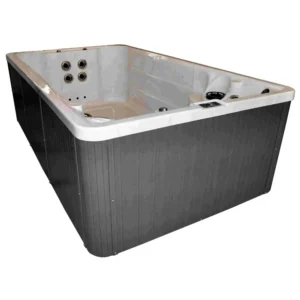
A swim spa is a compact aquatic system designed to combine exercise, hydrotherapy, and relaxation in one unit.
Unlike traditional pools, swim spas use powerful resistance jets to create a continuous current, allowing users to swim in place. At the same time, they include spa seating with massage jets for recovery and stress relief.
Most swim spas measure 12 to 19 feet in length, making them significantly smaller than swimming pools, yet far more versatile than standard hot tubs.
According to Bullfrog Spas, swim spas are engineered to deliver continuous swimming in a limited footprint, making them suitable for year-round use—even in colder climates.

Swim Spa vs Pool: Key Differences
1. Space and Installation
Traditional swimming pools require:
-
Large outdoor space
-
Permanent excavation
-
Long construction timelines
Swim spas, by contrast:
-
Fit into compact yards
-
Support above-ground, semi-inground, or fully inground installation
-
Can be installed within weeks instead of months
Some swim spas require less than 15 × 16 feet of space, while pools often need significantly more clearance.
2. Cost Comparison
From a budget standpoint, swim spas typically represent a lower upfront investment.
According to Master Spas,
-
Swim spas generally range from $15,000 to $40,000
-
Traditional pools often start at $30,000 and can exceed $100,000 with customization
Beyond installation, pools often come with higher ongoing costs related to water usage, heating, cleaning, and seasonal maintenance.
3. Usage and Seasonality
Pools excel at:
-
Leisure swimming
-
Social gatherings
-
Summer entertainment
Swim spas excel at:
-
Fitness training
-
Rehabilitation
-
Controlled, year-round use
Pools are seasonal in many regions. Swim spas are designed for all-season performance.
Swim Spa vs Hot Tub: Key Differences
1. Purpose and Function
Hot tubs are primarily designed for:
-
Relaxation
-
Soaking
-
Stress relief
Swim spas are designed for:
-
Swimming and fitness
-
Hydrotherapy
-
Multi-user functionality
While hot tubs are excellent for relaxation, they do not support sustained exercise.
2. Size and Capacity
-
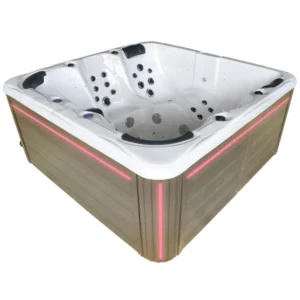
Hot tubs typically seat 4–8 people
-
Swim spas can accommodate 4–12 people, depending on layout
Swim spas also include a dedicated swim zone, which hot tubs lack.
3. Temperature Range
-
Hot tubs operate at 100–104°F (37–40°C)
-
Swim spas operate across a broader temperature range
This flexibility allows swim spas to support workouts at cooler temperatures and relaxation at warmer settings.
According to PDC Spas, this adaptability makes swim spas suitable for both athletic training and therapeutic recovery.

Swim Spa vs Pool vs Hot Tub: Comparison Table
| Feature | Swim Spa | Swimming Pool | Hot Tub |
| Primary Use | Fitness + Relaxation | Leisure + Social | Relaxation |
| Space Required | Compact | Large | Small |
| Installation | Flexible | Permanent | Simple |
| Year-Round Use | Yes | Often Seasonal | Yes |
| Maintenance Cost | Medium | High | Low |
| Exercise Capability | High | Medium | Low |
| Temperature Control | Wide Range | Limited | High |
| Energy Efficiency | High | Low–Medium | Medium |
Health and Wellness Benefits
Fitness and Low-Impact Exercise
Swim spas support:
-
Resistance swimming
-
Aquatic jogging
-
Strength and mobility training
These activities are low-impact, reducing joint stress while improving cardiovascular health and muscle strength.
Stress Relief and Recovery
Hydrotherapy jets help:
-
Relieve muscle soreness
-
Improve circulation
-
Promote better sleep
Regular use supports both physical and mental wellness.
Energy Efficiency and Sustainability
Modern swim spas feature:
-
Full-foam insulation
-
High-efficiency pumps
-
Thermal covers
Compared to pools, swim spas:
-
Use less water
-
Require less heating energy
-
Maintain temperature more efficiently
This makes them suitable for environmentally conscious households.
Real-World Use Cases
Families
-
Teaching children to swim
-
Safe, supervised water play
-
Year-round activity
Fitness-Oriented Users
-
Daily cardio without a gym
-
Rehabilitation and recovery
-
Cross-training for athletes
Wellness & Relaxation
-
Stress management
-
Muscle recovery
-
Improved sleep quality
Complementary Wellness Solutions from Veritasolus
Many wellness-focused homeowners combine aquatic therapy with heat therapy for optimal results.
For example:
-
A far infrared sauna room provides deep muscle relaxation after swim spa workouts
-
An outdoor sauna complements backyard wellness spaces by enhancing recovery routines
These solutions are commonly paired with swim spas to create a complete home wellness environment.
FAQ: Swim Spa vs Pool vs Hot Tub (Featured Snippet Ready)
Q1: Is a swim spa a pool or a hot tub?
A swim spa is neither. It combines features of both but is designed primarily for fitness and hydrotherapy.
Q2: Are swim spas cheaper than pools?
Yes. Swim spas generally cost less upfront and have lower long-term maintenance costs.
Q3: Can you use a swim spa in winter?
Yes. Swim spas are designed for year-round use, even in cold climates.
Q4: Do swim spas require more maintenance than hot tubs?
Yes, but they offer significantly more functionality, including exercise capability.
Final Thoughts
The choice between a swim spa vs pool vs hot tub is not about trends.
It’s about:
-
How you want to move
-
How you want to relax
-
How much space and energy you want to commit long term
For many buyers, swim spas offer the most balanced solution.