
If you are sourcing sauna rooms for import, wholesale, or distribution, choosing between indoor vs outdoor sauna rooms is not a styling decision.
It is a supply-chain decision.
It affects:
-
Product positioning
-
Shipping cost
-
Regulatory compliance
-
Long-term customer satisfaction
I’ve worked with buyers who chased low prices and paid later in returns.
I’ve also seen buyers plan correctly and build stable, profitable product lines.
This guide is written for:
-
Sauna room importers
-
Wholesalers and distributors
-
Brand owners sourcing from factories
-
Project buyers supplying hotels, resorts, or developers
Let’s break it down in a clear, buyer-focused way.
1. What Is an Indoor vs Outdoor Sauna Room?
Before comparing costs or margins, definitions matter.
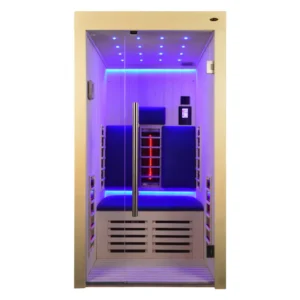
Indoor sauna rooms
An indoor sauna room is designed to be installed inside an enclosed building.
Common locations:
-
Apartments
-
Residential bathrooms or basements
-
Gyms and wellness centers
Key characteristics:
-
Compact footprint
-
Controlled humidity
-
Simplified electrical setup
Indoor sauna rooms are often chosen for urban markets and high-density housing.
Outdoor sauna rooms
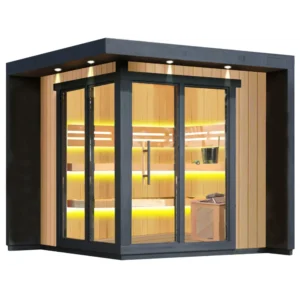
An outdoor sauna room is a standalone structure installed outside the main building.
Common locations:
-
Gardens and backyards
-
Resorts and villas
-
Spa and leisure developments
Key characteristics:
-
Weather resistance
-
Structural strength
-
Larger usable space
Because outdoor units behave more like buildings, buyers often work directly with manufacturers rather than traders.
2. Market Demand Patterns Buyers Should Know
Understanding demand helps determine what to stock and how to scale.
Indoor sauna demand
Indoor sauna rooms sell well in:
-
Large cities
-
Markets with strict building codes
-
Regions where outdoor space is limited
Typical buyers:
-
Home users
-
Fitness clubs
-
Medical and rehabilitation centers
Infrared indoor sauna rooms, in particular, move faster due to easier installation.
Outdoor sauna demand
Outdoor sauna rooms perform strongly in:
-
Europe
-
North America
-
Resort-driven markets
They appeal to buyers seeking:
-
Higher unit value
-
Premium wellness positioning
-
Custom designs
Long-term sauna research published on PubMed shows that sauna bathing is increasingly linked to lifestyle wellness rather than occasional use, supporting the premium positioning of outdoor sauna environments
(see cardiovascular and wellness studies on pubmed.ncbi.nlm.nih.gov).
Demand logic at a glance


3. Design and Construction: Where Problems Start
This is where many sourcing mistakes happen.
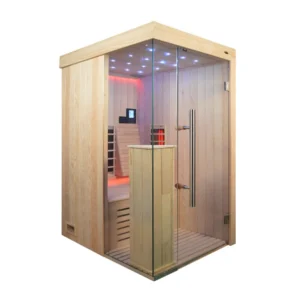
Indoor sauna room design
Indoor sauna rooms are constrained by the building.
Buyers should check:
-
Exact dimensions
-
Panel precision
-
Door swing and ceiling height
From a sourcing view, good indoor sauna rooms offer:
-
Modular panel systems
-
Tight manufacturing tolerances
-
Clean interior finishing
Poor accuracy often leads to installation complaints.
Outdoor sauna room design
Outdoor sauna rooms function like small buildings.
They require:
-
Structural framing
-
Insulation layers
-
Roofing and drainage
Most outdoor sauna rooms are shipped as:
-
Flat-pack kits
-
Modular cabins
This impacts container loading, freight cost, and on-site labor.
4. Buyer Comparison Table: Indoor vs Outdoor Sauna Rooms
This table summarizes the real differences buyers care about.
| Buyer Factor | Indoor Sauna Rooms | Outdoor Sauna Rooms |
|---|---|---|
| Typical Market | Urban, apartments | Resorts, villas |
| Space Requirement | Compact | Larger footprint |
| Structural Complexity | Low | High |
| Heating System | Electric / Infrared | Electric / Wood (market-based) |
| Moisture Impact | Inside building | Outside building |
| Shipping Volume | Lower | Higher |
| Logistics Cost | Lower | Higher |
| Customization Level | Limited | High |
| Average Unit Value | Lower | Higher |
| Best Sales Model | High-volume | High-margin |
Buyer takeaway:
Indoor sauna rooms drive volume.
Outdoor sauna rooms drive margin.
5. Materials: Why Outdoor Saunas Demand More
Indoor sauna materials
Common indoor sauna woods:
-
Hemlock
-
Cedar
-
Spruce
Buyers focus on:
-
Low resin content
-
Smooth surface
-
Stability in controlled environments
Material aging is slower indoors.
Outdoor sauna materials
Outdoor sauna rooms need higher material performance.
Buyers should confirm:
-
Wood thickness
-
Kiln-drying process
-
Exterior surface protection
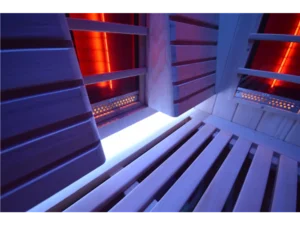
Cedar is widely used due to natural resistance to moisture and temperature changes.
Guidelines from the North American Sauna Society (saunasociety.org) emphasize proper wood selection and drying as critical for long-term durability.
6. Heating Systems and Compliance Reality
Indoor sauna heating
Indoor sauna rooms typically use:
-
Electric heaters
-
Infrared heating panels
Infrared systems are often easier for:
-
Energy compliance
-
Apartment approval
-
Import documentation
This makes them attractive for large-scale distribution.
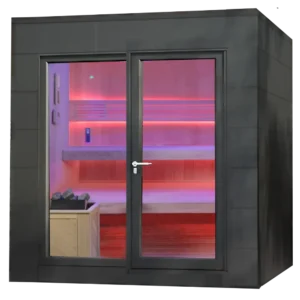
Outdoor sauna heating
Outdoor sauna rooms may support:
-
Electric heaters
-
Wood-burning stoves (market dependent)
This requires:
-
Market-specific certification
-
Clear documentation
Health and longevity benefits of regular sauna use are discussed in publications such as Forbes, which also notes the importance of proper heater control and safety standards.
7. Logistics, Cost, and After-Sales Impact
Indoor sauna logistics
Indoor sauna rooms:
-
Ship in compact cartons
-
Fit standard pallets
-
Lower freight cost per unit
Ideal for:
-
E-commerce
-
Retail distribution
-
Apartment projects
Outdoor sauna logistics
Outdoor sauna rooms:
-
Occupy more container space
-
Require detailed manuals
-
Sometimes need local assembly support
They also:
-
Command higher prices
-
Offer stronger margins
-
Support customization
8. How Global Buyers Usually Decide
From experience, the decision often follows this rule:
Choose indoor sauna rooms if your focus is:
-
Urban customers
-
Faster turnover
-
Simpler logistics
Choose outdoor sauna rooms if your focus is:
-
Premium wellness
-
Higher margins
-
Resort and project clients
Many successful wholesalers offer both.
Indoor for volume.
Outdoor for profit.
Final Thoughts
Choosing indoor vs outdoor sauna rooms is not about trends.
It’s about:
-
Your target market
-
Your logistics capability
-
Your pricing strategy
When these align, both product lines can perform extremely well.