
The Cold Plunge Tub FAQ is one of the most common search patterns I see from gym owners, spa operators, and wellness brand buyers.
And I get it.
Cold plunge tubs look simple. But once you think about safety, maintenance, cost, and commercial use, the questions pile up fast.
I work closely with cold plunge manufacturing projects every year.
So in this article, I’ll answer the most practical questions I hear from real buyers—clearly, honestly, and without hype.
No medical promises.
No influencer talk.
Just facts, experience, and sourcing logic.
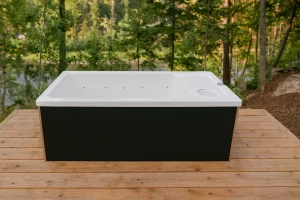
What Is a Cold Plunge Tub? (Cold Plunge Tub FAQ – Basics)
A cold plunge tub is a water immersion system designed to keep water at low temperatures—typically between 4°C and 15°C (39–59°F)—for short-term full or partial body immersion. Check our LinkedIn video for a visual idea.
It is also called:
-
Cold water immersion (CWI) tub
-
Ice bath tub
-
Cold therapy tub
In commercial settings, cold plunge tubs are often installed in:
-
Gyms
-
Recovery studios
-
Spas and wellness centers
-
Hotels and resorts
The goal is controlled cold exposure.
Not endurance.
Not pain.
According to historical and clinical references summarized in your source PDF, cold immersion has been used since ancient Greek and Roman hydrotherapy traditions.
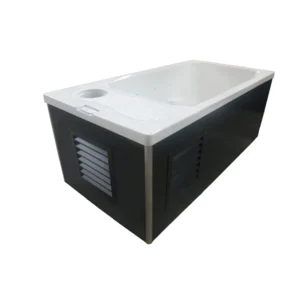
How Does a Cold Plunge Tub Work?
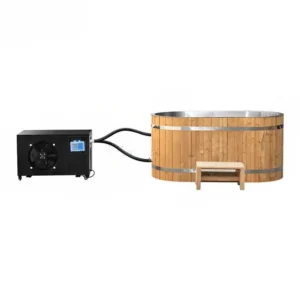
Most modern cold plunge tubs operate through active cooling systems, rather than using ice bags.
A standard commercial system includes:
-
An insulated tub body
-
A water chiller to maintain the target temperature
-
Filtration to keep water clean
-
Circulation pumps
You set the temperature.
The system keeps it stable.
That stability is critical for commercial safety and repeat use.
Is Cold Plunge Safe for Commercial Use?
Short answer: Yes, when designed and used correctly.
Cold plunge risks usually come from:
-
Poor temperature control
-
Overexposure
-
Lack of user guidance
Clinical reviews cited in your PDF note that exposure time should usually stay under 10 minutes, even for experienced users .
For wellness centers, best practice includes:
-
Clear usage signage
-
Staff supervision
-
Time limits
-
Gradual entry guidance
A cold plunge tub is not “dangerous.” But it must be treated as equipment, not furniture.
What Are the Real Benefits of Cold Plunge Therapy?
This is where honesty matters.
Based on aggregated studies referenced in your PDF:
Supported or partially supported effects:
-
Temporary reduction in muscle soreness
-
Short-term mood elevation
-
Stress response activation (norepinephrine release)
Not fully proven or debated:
-
Long-term antidepressant treatment
-
Immune system enhancement
-
Fat loss claims
In other words, a cold plunge tub is a recovery and wellness tool, not a miracle cure.
And that’s exactly how commercial buyers should position it.
How Long Should Users Stay in a Cold Plunge?
This is one of the most common cold plunge FAQ questions.
General commercial guideline:
-
Beginners: 1–3 minutes
-
Regular users: 3–8 minutes
-
Upper safety limit: 10 minutes
Temperature matters more than bravado.
Many facilities use 10–12°C (50–54°F) as a safe commercial baseline.
How Often Can Someone Use a Cold Plunge Tub?
Most wellness programs recommend:
-
2–4 sessions per week
-
Avoiding immediate use after heavy strength training (may blunt muscle growth)
For gyms and studios, frequency should be framed as optional recovery, not mandatory routine.
What Types of Cold Plunge Tubs Exist?
From the source material and real-world market data, there are four main types:
- Portable Cold Plunge Tubs
-
Inflatable or lightweight
-
Low upfront cost
-
Limited durability
-
Better for temporary setups, not commercial facilities.
-
Fixed Commercial Cold Plunge Tubs
-
Integrated chillers
-
Insulated shells
-
Designed for high usage
- This is the standard choice for gyms and wellness centers.
-
DIY or Budget Solutions
-
Stock tanks or converted tubs
-
Low cost, high maintenance
-
Not recommended for public use
-
Premium Designer Systems
-
Advanced filtration
-
Digital controls
-
Higher price point
-
Often used by luxury spas or hotels.
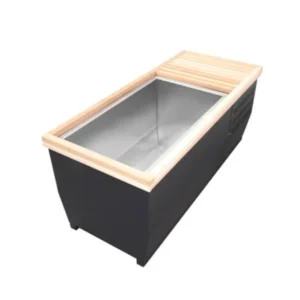
Cold Plunge Tub Manufacturers-CP211
What Maintenance Does a Cold Plunge Tub Require?
Maintenance is often underestimated.
Commercial best practices include:
-
Daily surface wipe-down
-
Weekly water testing (pH 7.2–7.8)
-
Scheduled filter cleaning
-
Periodic water replacement
Poor maintenance is the #1 cause of complaints in public facilities.
Does Cold Plunge Use a Lot of Electricity?
Compared to saunas or steam rooms: no.
Energy use depends on:
-
Chiller size
-
Ambient temperature
-
Insulation quality
Well-insulated commercial cold plunge tubs are generally energy-efficient.
Can Cold Plunge Tubs Be Used Outdoors?
Yes—but only with proper design.
Outdoor units should include:
-
Weather-resistant shells
-
Insulated plumbing
-
Drainage planning
In cold climates, winterization is essential to avoid freezing damage.
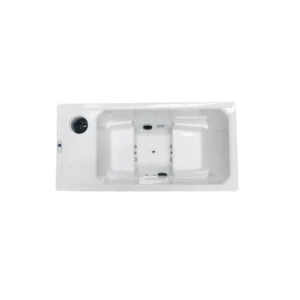
Cold Plunge Tub FAQ for Buyers: Sourcing and Manufacturing
This is where many websites stay silent.
So let’s be direct.
Q1: Where Are Most Cold Plunge Tubs Manufactured?
The majority of commercial cold plunge tubs are produced in:
-
China
-
North America
-
Europe (small volume, high cost)
China-based manufacturers dominate OEM and private label production due to supply chain depth and cost efficiency.
Q2: Can Cold Plunge Tubs Be Customized?
Yes.
Common B2B customizations include:
-
Logo branding
-
Shell color
-
Control system language
-
Voltage standards
Customization is standard—not premium—in factory-direct sourcing.
Q3: What Is the Typical MOQ?
For commercial cold plunge tubs:
-
Standard models: 1–2 units
-
Private label runs: higher MOQ depending on customization
Always clarify MOQ early to avoid delays.
Q4: How Long Does Production and Shipping Take?
Typical timeline:
-
Production: 25–40 days
-
Sea shipping: 20–35 days (region dependent)
Planning matters.
Cold plunge tubs are bulky.
Logistics must be realistic.
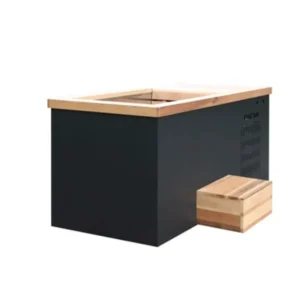
Ready Models for Buyers
If you are comparing specifications or sourcing options, these pages may help:
Final Thoughts: Why This Cold Plunge Plunge FAQ Matters
Cold plunge tubs are no longer a trend.
They are part of modern recovery culture.
But for buyers, success comes from:
-
Clear safety boundaries
-
Honest benefit claims
-
Reliable manufacturing
-
Proper user education
If your customers ask smart questions, that’s a good sign.
And now, you have the answers.